
Commercial Energy Performance Certificate for UK Businesses & Property Owners
Get a commercial energy performance certificate for your business property quickly and compliantly with a trusted local assessor.
- Same Day Surveys Available
- Quick Turnaround
- Local, Friendly Service
- Fixed Rates from £75
Urgent Survey Needed?
Same day appointments available
Local Service
Beds, Herts, Bucks & North London
Quick Turnaround
Certificates issued within 24hrs
Don’t Get Caught Out — Why a Valid Commercial EPC Is Essential…
- Selling a commercial property– a valid epc certificate commercial is legally required before marketing most commercial premises.
- Letting commercial buildings – landlords must provide an epc for commercial landlords before leasing property.
- Advertising a commercial property – agents must display the epc ratings for commercial buildings when listing the property.
- Legal compliance – UK regulations require energy certificates for commercial buildings before sale or lease.
- Energy efficiency transparency – a commercial energy performance certificate helps tenants and buyers understand running costs.
- Meeting MEES regulations – a valid commercial epc certificate confirms your property meets minimum energy efficiency standards.
- Commercial property register compliance – your certificate appears on the commercial property epc register for verification.
- Business sustainability goals – the commercial energy performance certificate register helps businesses track building efficiency.
- Improving property value – Higher epc ratings for commercial buildings can increase investor and tenant interest.
- Accessing funding or grants – Many improvement schemes require proof from the commercial energy performance certificate register.
- lanning efficiency upgrades – the commercial epc assessment highlights energy saving opportunities.
Show More
In simple terms: no valid EPC can mean no sale, no tenancy, and possible penalties. Our job is to make sure that never becomes your problem.
Who Needs an EPC?
If you’re asking, “Do I need an EPC?” the answer is almost always yes if:
You’re a homeowner planning to sell or remortgage
You’re a landlord starting a new tenancy or renewing a tenancy
You’re a property manager dealing with multiple flats, houses or mixed-use buildings
You’re a developer with new-builds or conversions
You’re a professional advisor (estate agent, mortgage broker, solicitor) supporting clients who must stay compliant
If the building is being marketed for sale or rent, or has just been built or significantly altered, an EPC is almost always required.
Not sure? Tell us what you’re planning, and we’ll confirm whether you need one and what type.
How Does an EPC Assessment Work?
If you’ve never booked an EPC before, it can sound more complicated than it really is. Here’s how our process works from start to finish.
Step 1 – Get a Free, No-Obligation Quote
You share a few basic details:
Property type (house, flat, unit, etc.)
Size and number of floors
Location
Intended use (sale, let, remortgage, compliance check)
We’ll confirm a clear fixed price and offer you the earliest appointment.
Step 2 – Book Your Survey
We arrange a visit time that suits you. On the day, a qualified EPC assessor will:
Inspect walls, roofs, floors and windows
Check heating systems, boilers and controls
Look at lighting, insulation and hot water systems
Take measurements and photos for the report
Most surveys take 30–90 minutes, depending on the size and complexity of the building.
Step 3 – We Produce Your EPC
Back at the office, we enter all the data into accredited software. This generates your:
Energy rating (A–G)
Estimated energy costs
Recommended improvements
We then lodge your certificate on the official register and email you a digital copy.
Step 4 – We Explain the Results
If you’d like, we’ll walk you through:
What your rating means
Which recommendations are worth doing first
How upgrades could affect future ratings
You don’t just get a piece of paper — you get a clear plan.
What’s Included in Our EPC Service?
When you book an EPC with us, you get a complete, end-to-end service:
On-site survey by an accredited assessor
Full EPC report, with:
Energy Efficiency Rating (A–G)
Environmental impact / CO₂ rating (where applicable)
Summary of the property’s construction and systems
Detailed recommendations with potential rating improvements
Digital certificate delivered by email
Official registration on the government-approved EPC database
Follow-up advice, if you have questions later
No hidden extras, no surprise fees, and no jargon.
Get Your Commercial EPC Certificate Today
Book a qualified commercial energy assessor and obtain your commercial epc certificate near me quickly. Our team carries out detailed inspections and issues fully compliant certificates recognised by the commercial epc register England.
What we do
We support businesses and property owners with professional commercial energy assessments and related services.

Retrofit Survey
Identify insulation upgrades and plan energy-efficient improvements for your home with a professional retrofit survey.
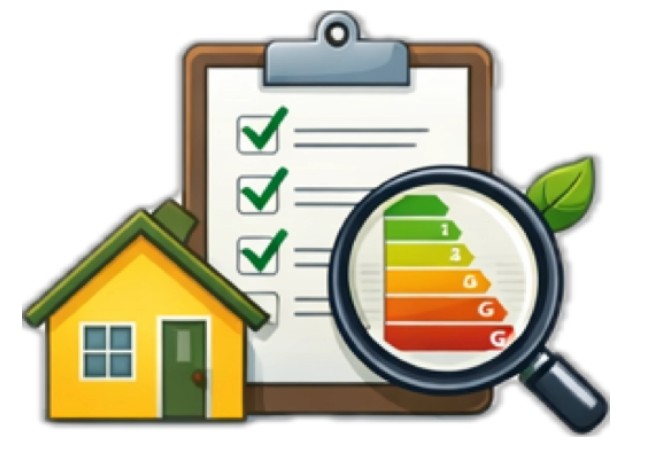
Home Energy Audit
Assess your home’s insulation, heating, and energy use to improve efficiency and reduce energy bills.

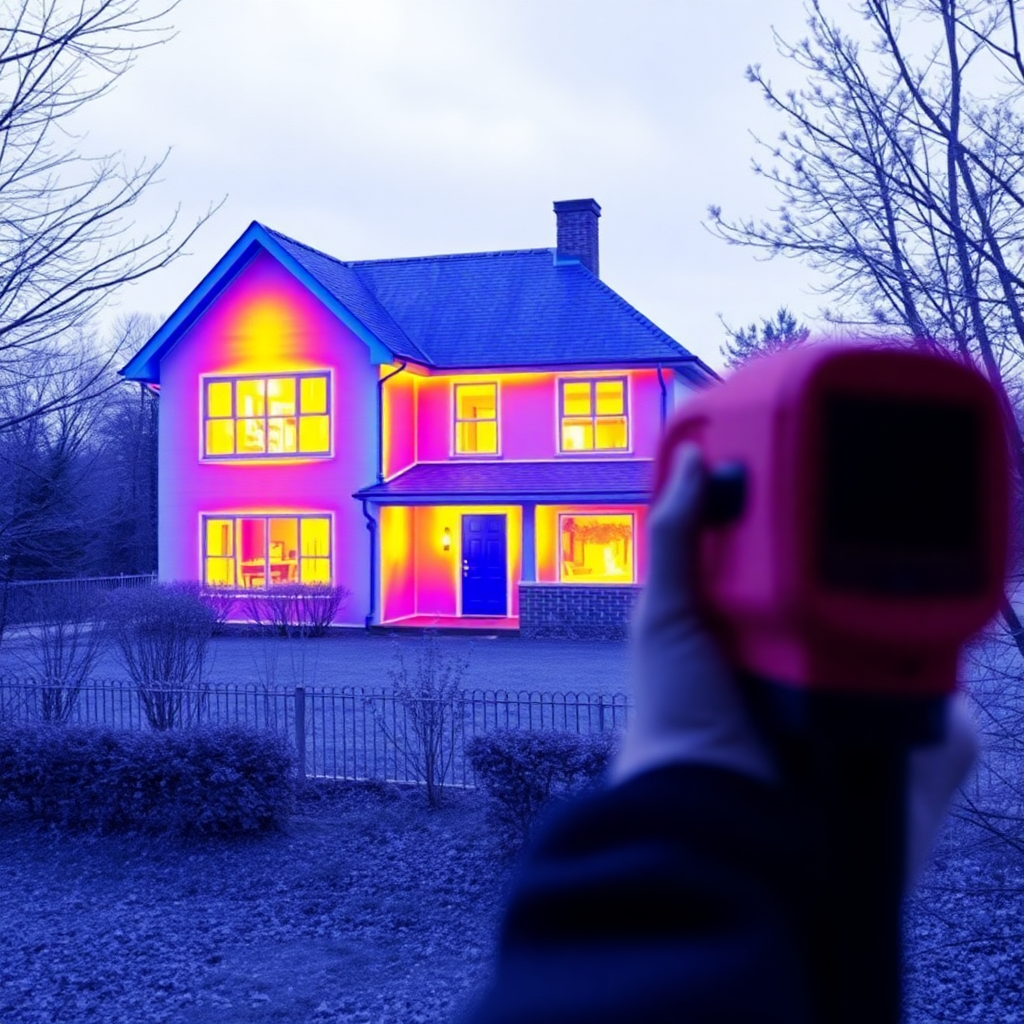
Thermal Imaging Survey
Detect hidden heat loss, insulation gaps, and draughts using advanced thermal imaging technology.

Air Tightness Testing
Measure air leakage in your property to improve energy efficiency, comfort, and building compliance.


Why Topplots For Commerical EPC Certificate?
Exceptional customer service
Our experienced commercial epc assessor team provides professional support throughout the process, from booking your commercial epc survey to explaining your commercial energy performance certificate results.
Industry accredited
Our qualified commercial energy assessor professionals are fully accredited and authorised to issue certificates recorded in the commercial epc register England.
Fully covered
We are fully insured and compliant with UK EPC standards. Businesses searching for commercial epc near me trust us for accurate inspections and fast certificates.
How our customers rave about us!
James Wilson
“The assessor was professional, efficient, and thorough. They explained everything clearly and answered all my questions. I received my EPC certificate the same day!”
Sarah Johnson
“I was impressed with the level of detail in my heat loss survey. The thermal imaging revealed several issues I wasn’t aware of, and the recommendations have already helped reduce my energy bills.”
Michael Brown
“As a landlord with multiple properties, I appreciate Topplots’ efficient service and competitive rates. They’ve helped me ensure all my properties meet the required EPC standards, and their advice on improvements has been invaluable.”
Our Accreditations

We are fully accredited by recognised industry bodies and government schemes. All commercial energy performance certificates we issue are recorded in the official commercial energy performance certificate register.
Show More
Why Do You Need a Commercial EPC in the UK?
A Complete Guide for Businesses, Property Owners & Landlords
Energy efficiency has become a major priority for businesses, property owners, and governments across the world. In the UK, one of the key tools used to measure and regulate energy efficiency in buildings is the Commercial Energy Performance Certificate (EPC).
If you own, sell, rent, or manage a commercial building in the UK, understanding why you need a commercial EPC is essential. Beyond being a legal requirement, it plays an important role in improving building efficiency, reducing operational costs, and supporting environmental goals.
In this detailed guide, we will explain what a commercial EPC is, why it is required, how it benefits property owners and tenants, and how companies like Topplots help businesses obtain accurate and compliant certificates.
What Is a Commercial EPC?
A Commercial Energy Performance Certificate (EPC) is an official document that measures the energy efficiency of a non-domestic building. It evaluates how effectively a building uses energy for heating, lighting, ventilation, and cooling.
The certificate provides an energy rating on a scale from A to G:
A – Most energy efficient
G – Least energy efficient
The EPC also includes recommendations for improving the building’s energy performance. These improvements may include upgrading lighting systems, improving insulation, installing energy-efficient heating systems, or reducing heat loss.
In the UK, the certificate is issued by a qualified commercial energy assessor who conducts an inspection of the building and calculates the energy rating using government-approved software.
Why Do You Need a Commercial EPC in the UK?
There are several important reasons why commercial properties require an EPC. Some of these are legal obligations, while others relate to financial, operational, and environmental benefits.
Let’s explore these in detail.
1. It Is a Legal Requirement
One of the main reasons you need a commercial EPC is because UK law requires it.
If you plan to:
Sell a commercial property
Rent or lease a commercial building
Construct a new commercial property
you must obtain a valid Energy Performance Certificate before marketing the building.
Estate agents and letting agents are required to display the EPC rating when advertising a property. Without a valid certificate, the property cannot legally be marketed.
Failure to comply with these regulations may result in financial penalties or enforcement action from local authorities.
Companies such as Topplots help property owners obtain the required certificate quickly so they can meet legal requirements and avoid delays in property transactions.
2. It Helps Businesses Meet Energy Efficiency Regulations
The UK government introduced Minimum Energy Efficiency Standards (MEES) to improve the efficiency of buildings.
Under these regulations, commercial buildings must meet certain minimum energy performance standards before they can be rented or leased.
Properties with very poor energy ratings may need improvements before they can legally be rented out.
The EPC provides the official rating that determines whether a building meets these requirements.
By obtaining an accurate certificate from a trusted assessor like Topplots, landlords can ensure their properties comply with current energy regulations.
3. It Improves Transparency for Buyers and Tenants
When businesses search for office spaces, warehouses, retail units, or other commercial premises, they want to understand the building’s running costs.
The EPC provides valuable information including:
Energy efficiency rating
Estimated energy consumption
Carbon emissions
Recommendations for improvement
This transparency helps buyers and tenants make informed decisions.
Buildings with better energy ratings are often more attractive to businesses because they typically cost less to operate.
For property owners, having a good EPC rating can improve the building’s marketability.
4. It Can Reduce Energy Costs
Energy costs are a major expense for businesses operating in commercial buildings.
Poor insulation, inefficient lighting, and outdated heating systems can significantly increase energy bills.
The EPC identifies areas where energy is being wasted and provides recommendations for improvements.
Common recommendations include:
Installing LED lighting
Improving insulation
Upgrading heating systems
Reducing air leakage
Improving ventilation systems
Implementing these improvements can reduce operational costs while making the building more environmentally friendly.
A professional assessment from Topplots ensures that building owners receive practical and accurate recommendations.
5. It Helps Increase Property Value
Energy efficiency is becoming an increasingly important factor in property valuation.
Buildings with better energy performance ratings often have higher market value because they offer lower operating costs and better sustainability credentials.
For investors and commercial buyers, an energy-efficient building represents a lower risk and better long-term investment.
Improving your EPC rating can therefore make your property more attractive to potential buyers or tenants.
Many property owners work with specialists such as Topplots to understand their EPC results and identify improvements that could enhance the building’s value.
6. It Supports Environmental Sustainability
The UK has committed to reducing carbon emissions and improving building energy efficiency.
Commercial buildings account for a significant portion of the country’s energy consumption and carbon emissions.
The EPC system helps support national environmental goals by encouraging property owners to improve building efficiency.
By identifying energy inefficiencies and recommending improvements, EPC assessments help reduce:
Energy consumption
Carbon emissions
Environmental impact
Businesses that operate in energy-efficient buildings can also improve their sustainability credentials, which is increasingly important for investors, clients, and stakeholders.
7. It Helps Businesses Plan Energy Improvements
An EPC does more than simply assign an energy rating.
It also provides detailed recommendations for improving the building’s efficiency.
These recommendations help property owners plan upgrades that will have the greatest impact on energy performance.
Examples of improvements may include:
Installing modern heating systems
Upgrading windows
Adding roof or wall insulation
Improving lighting systems
Sealing air leaks
Because these recommendations are based on a professional inspection, they provide a reliable roadmap for improving building efficiency.
Companies like Topplots help building owners interpret these recommendations and decide which improvements are most effective.
8. It Is Required for Government Grants and Incentives
Many government programs designed to improve building efficiency require a valid EPC.
For example, some energy efficiency grants or funding schemes may require proof of a building’s current energy performance before providing financial support.
The EPC provides this verification and helps authorities track improvements in building efficiency.
Having a valid certificate ensures that property owners remain eligible for future programs and incentives related to sustainability or energy upgrades.
9. It Helps Identify Hidden Energy Problems
Many buildings lose energy through issues that are not immediately visible.
Examples include:
Poor insulation
Air leaks
Inefficient heating systems
Heat loss through walls or roofs
During an EPC assessment, a qualified assessor evaluates these elements to identify areas where energy performance can be improved.
This information helps property owners address hidden inefficiencies that could otherwise lead to high energy bills.
Professional energy assessment services from Topplots ensure that these issues are properly identified and explained.
10. It Makes Property Transactions Faster and Easier
When selling or renting a commercial property, having a valid EPC already available helps speed up the transaction process.
Buyers, tenants, and legal professionals often request the certificate during negotiations.
If the certificate is not ready, the transaction may be delayed.
Obtaining the certificate in advance ensures that the property can be marketed immediately and avoids unnecessary delays.
Many property owners choose Topplots because they offer quick assessments and fast certificate delivery.
How Topplots Helps Businesses Get a Commercial EPC
Obtaining a commercial EPC requires expertise and certification.
Topplots provides professional energy assessments for commercial buildings across several regions, helping businesses meet regulatory requirements while improving energy efficiency.
Their services include:
Professional commercial EPC inspections
Fast certificate delivery
Expert guidance on improving energy performance
Compliance with UK regulations
Clear explanations of EPC results
With experienced assessors and a strong understanding of energy regulations, Topplots helps property owners obtain accurate and reliable certificates.
Who Needs a Commercial EPC?
A commercial EPC is typically required for many types of non-domestic buildings, including:
Offices
Retail shops
Restaurants and cafes
Warehouses
Industrial buildings
Educational facilities
Hotels and hospitality properties
If you are unsure whether your building requires a certificate, consulting an experienced assessor such as Topplots can help clarify the requirements.
How Long Is a Commercial EPC Valid?
Once issued, a commercial EPC remains valid for 10 years.
However, property owners may choose to obtain a new certificate earlier if significant improvements are made to the building.
Upgrading insulation, heating systems, or lighting can improve the energy rating and make the property more attractive to buyers or tenants.
Conclusion
A Commercial Energy Performance Certificate is an essential requirement for property owners and businesses in the UK.
It ensures legal compliance, provides transparency for buyers and tenants, and helps improve building efficiency.
More importantly, it supports long-term sustainability goals while helping businesses reduce energy costs and improve property value.
Working with experienced professionals such as Topplots ensures that the EPC assessment is accurate, compliant, and delivered quickly.
Whether you are selling, renting, or managing a commercial building, obtaining a professional EPC assessment is an important step toward better energy performance and a more sustainable future.
Areas We Cover
Luton
Bedford
Dunstable
Leighton Buzzard
Ampthill
Flitwick
St Albans
Watford
Hemel Hempstead
Stevenage
Hitchin
Harpenden
Milton Keynes
Aylesbury
High Wycombe
Buckingham
Amersham
Chesham
Barnet
Enfield
Haringey
Camden
Islington
Hackney
Don’t see your area listed? Contact us to check if we cover your location.
Request a Callback
Leave your details and we’ll get back to you promptly to discuss your energy assessment needs.
- Same day commercial epc survey availability
- Fixed competitive commercial epc quote
- Certified commercial energy assessor
- Fast certificate delivery
Request a Callback
Leave your details and we’ll get back to you promptly to discuss your energy assessment needs.
Questions & Answers
An Energy Performance Certificate (EPC) is required for most commercial buildings in the UK when the property is being sold, rented, or newly constructed. Property owners must have a valid certificate available before the building is marketed to potential buyers or tenants. This requirement ensures that anyone considering the property can clearly understand its energy efficiency and estimated running costs.
For landlords and property owners, obtaining the certificate early helps avoid delays during property transactions. Estate agents and letting agents are also required to display the building’s energy rating in property listings, which makes the certificate an essential part of the marketing process.
In addition, the UK government introduced energy efficiency regulations that require certain minimum standards for rented commercial properties. If a building does not meet the required efficiency rating, owners may need to make improvements before leasing the property. Having a valid certificate ensures that the building complies with current regulations and helps property owners avoid potential fines or legal issues.
A commercial energy certificate provides a detailed overview of how efficiently a building uses energy. The most visible element is the energy efficiency rating, which is presented on a scale from A to G. Buildings with an A rating are considered highly energy efficient, while those rated G use energy less efficiently and may benefit from upgrades.
The certificate also includes estimated energy costs and carbon emissions based on the building’s structure, heating systems, lighting, and insulation levels. This information helps owners and tenants understand how much energy the building is likely to consume during normal use.
Another important section of the certificate contains recommendations for improving the property’s energy performance. These suggestions may include upgrading lighting systems, improving insulation, installing energy-efficient heating equipment, or making structural improvements that reduce heat loss.
Overall, the certificate acts as a guide for building owners who want to reduce operating costs, improve sustainability, and increase the long-term value of their property.
The energy rating is determined during an on-site inspection carried out by a qualified assessor. During the visit, the assessor evaluates several factors that influence how efficiently the building uses energy.
Key aspects of the inspection include the type of heating and cooling systems installed, the efficiency of lighting throughout the building, and the level of insulation in walls, floors, and roofs. The assessor also examines the building’s structure, size, layout, and overall usage patterns.
Using this information, specialised government-approved software calculates the building’s energy performance score. This score is then converted into the familiar rating scale from A to G.
The assessment focuses on the building itself rather than how occupants currently use it. This ensures that the rating reflects the property’s structural efficiency rather than temporary changes in energy usage.
Once the assessment is complete, the certificate is generated and recorded in the official database, making it accessible for property transactions and regulatory compliance.
In most cases, a commercial Energy Performance Certificate remains valid for 10 years from the date it is issued. During this period, the certificate can be used for multiple property transactions, including selling or leasing the building.
However, if major changes are made to the property—such as structural renovations, insulation upgrades, or new heating systems—it may be beneficial to obtain a new certificate. These improvements can significantly change the building’s energy efficiency and may result in a higher rating.
Updating the certificate after making energy improvements can be advantageous because a better rating often makes the property more attractive to potential buyers or tenants. Improved efficiency can also reduce operating costs and demonstrate a commitment to environmental responsibility.
Although the certificate is valid for a decade, many property owners choose to update it earlier if they make substantial improvements that could enhance the building’s performance rating.
The time required for an assessment depends on the size and complexity of the property. For smaller commercial premises such as shops or small offices, the inspection usually takes around 30 to 60 minutes.
Larger buildings, such as warehouses, multi-storey offices, or industrial facilities, may require more time because the assessor needs to examine multiple systems and building areas.
During the inspection, the assessor gathers data about the building’s structure, heating systems, ventilation, lighting, and insulation. This information is then used to calculate the building’s energy efficiency rating.
After the inspection is completed, the certificate is usually issued within 24 hours. In some cases, it may be available the same day depending on the complexity of the assessment and the documentation required.
Yes. Once the certificate is issued, it is uploaded to the official government database. This allows buyers, tenants, estate agents, and other relevant parties to view the building’s energy rating.
The certificate provides transparency during property transactions because it gives potential occupants a clear understanding of how energy efficient the building is likely to be. This information can influence decisions about renting or purchasing the property.
Buyers and tenants often review the energy rating to estimate future running costs and to determine whether energy improvements may be required. Because the certificate is publicly accessible through the government database, it ensures that property information remains transparent and easy to verify.
If a commercial building does not have a valid certificate when required, the property owner may face financial penalties. UK regulations require the certificate to be available before the property is marketed for sale or rent.
Estate agents and property managers are also responsible for ensuring that the energy rating is included in property listings. Without the certificate, the property cannot legally be advertised or marketed.
In addition to fines, the absence of a certificate can cause delays in property transactions. Buyers or tenants may request proof of energy performance before completing the deal, which can slow down negotiations if the certificate is not already available.
Obtaining the certificate in advance ensures compliance with regulations and prevents unnecessary delays during the sale or leasing process.
Most non-domestic buildings require an Energy Performance Certificate. This includes offices, retail shops, restaurants, warehouses, industrial units, educational facilities, and many other types of commercial premises.
However, there are a few exceptions. Temporary buildings intended to be used for less than two years may not require a certificate. Very small buildings below a certain floor area threshold may also be exempt under specific circumstances.
Certain structures such as places of worship or agricultural buildings with low energy demand may also fall outside the standard requirements. Despite these exceptions, the majority of commercial properties must obtain a certificate to comply with UK regulations.
Property owners who are unsure whether their building requires a certificate should consult a qualified assessor who can provide guidance based on the property’s size, purpose, and usage.
Improving a building’s energy rating often involves upgrading systems that consume large amounts of energy. One of the most common improvements is installing energy-efficient lighting such as LED systems, which can significantly reduce electricity consumption.
Upgrading heating and cooling systems can also have a major impact on efficiency. Modern heating systems use less energy and provide better temperature control, which can improve the overall rating.
Other improvements may include enhancing insulation in walls and roofs, sealing air leaks, upgrading windows, and improving ventilation systems. These changes help reduce heat loss and maintain stable indoor temperatures.
In addition to reducing energy consumption, these upgrades can lower operating costs and create a more comfortable environment for occupants. Over time, energy improvements can increase property value and make the building more appealing to tenants or investors.
Preparing for the assessment helps ensure the inspection runs smoothly and efficiently. Property owners should make sure the assessor has access to all areas of the building, including plant rooms, heating equipment, and lighting systems.
If available, building plans or architectural drawings can also be helpful. These documents provide information about the building’s layout, construction materials, and insulation details.
Maintenance records for heating or ventilation systems can also assist the assessor in understanding the building’s energy performance. While these documents are not always required, they can help speed up the inspection process.
Ensuring that the building is accessible and organised before the visit allows the assessor to complete the inspection quickly and accurately, which helps deliver the certificate without unnecessary delays.