
Practical steps homeowners can take now to prepare for stricter EPC standards
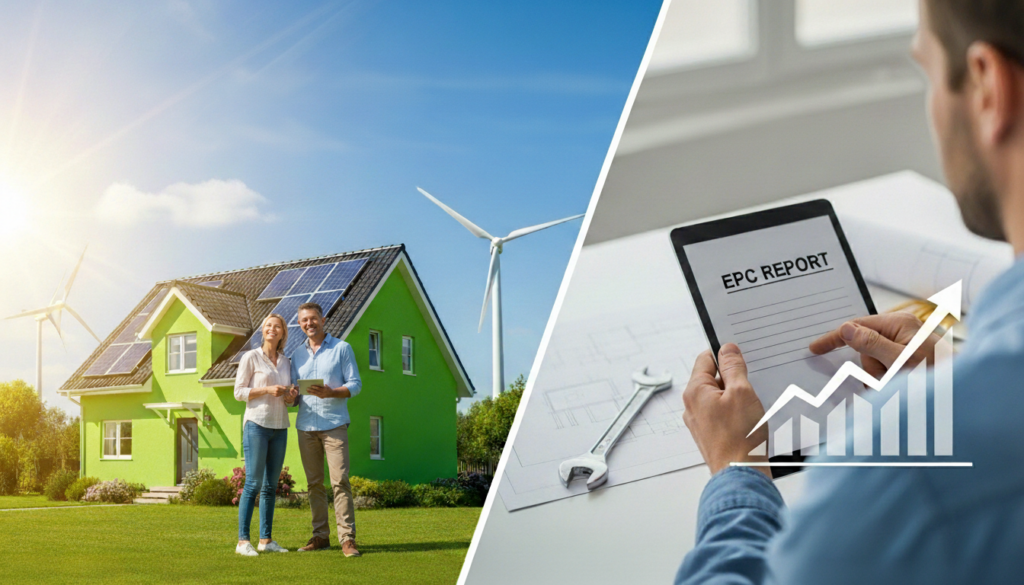
With EPC standards set to tighten in 2026, homeowners across the UK are looking for practical ways to improve their energy performance ratings. Preparing early has clear benefits: lower energy bills, increased property value, and compliance with the upcoming regulations. This guide explores essential steps you can take right now to improve your EPC rating and future‑proof your home.
Why preparing for EPC changes now Is essential
Acting early makes the transition to stricter standards easier and more cost‑effective. Key reasons to begin upgrades now include:
- Rising energy prices make energy‑efficient improvements more valuable
- Assessors and installers are likely to be fully booked as 2026 approaches
- Early planning lets you spread costs over time
- A better EPC rating can make your home more attractive to buyers or tenants
Understanding your current EPC rating
Your current EPC certificate is the best starting point. It provides:
- Your home’s existing energy rating
- Estimated energy costs
- Specific recommendations for improving efficiency
Checking your EPC helps you prioritise upgrades and understand how far off your property is from meeting future EPC standards. It is paramount if you have made improvements to your home you must update your current EPC
Book a Professional Home Energy Survey
A full energy audit goes further than an EPC and identifies areas of inefficiency that may not be obvious. Audits often reveal:
- Heat loss through uninsulated areas
- Inefficient boilers or heating controls
- Old appliances that use excessive energy
- Draughts around windows and doors
- Poor ventilation affecting energy use
A professional audit gives you a targeted improvement plan, ensuring you invest in the upgrades that will have the biggest impact on your EPC score.
Strengthen Your Insulation Improving insulation is one of the most effective ways to increase your EPC rating. Key upgrades include:
- Loft insulation to reduce heat loss
- Cavity‑wall or solid‑wall insulation
- Floor insulation to improve comfort and efficiency
Good insulation keeps heat in during winter, reduces energy consumption, and instantly boosts the property’s overall performance.
Upgrade Your Windows and Doors Old windows and doors contribute to significant heat loss. Consider:
- Installing double or triple glazing
- Adding secondary glazing if replacements aren’t suitable
- Draught‑proofing existing frames
These improvements enhance energy efficiency and improve the comfort of your home.
Improve your heating system
Heating systems play a major role in your EPC rating. Popular upgrades include:
- High‑efficiency condensing boiler
- Heat pumps for a future‑proof, low‑carbon option
- Smart thermostats with zoned heating
- Modern radiators and thermostatic radiator valves
Even simple steps—like servicing your boiler—can improve performance and rating.
Add renewable energy solutions
Renewable energy tech can dramatically increase your EPC score. Popular options include:
- Solar photovoltaic (solar PV) panels
- Solar thermal hot water systems
- Air‑source or ground‑source heat pumps
These systems reduce reliance on fossil fuels and lower long‑term energy costs.
Switch to Energy‑Efficient Lighting and Appliances
Small upgrades add up. Switching to LED lighting and choosing A‑rated or better appliances can improve your EPC rating, especially in older homes.
Improve ventilation without losing heat
Efficient homes need proper ventilation to prevent moisture buildup, Consider –
- Mechanical ventilation with heat recovery (MVHR) systems
- Upgrading extractor fans to energy‑efficient models
- Ensuring air flow without excessive heat loss
This supports a healthier living environment while maintaining energy efficiency.
Check Grants, Loans, and Funding Schemes
Financial support for energy upgrades is often available. Look for:
- Government home‑energy grants
- Local authority improvement schemes
- Supplier-funded energy efficiency incentives
Funding options change frequently, so reviewing available support early can save you money.
Create a Staged Upgrade Plan
You don’t need to complete all improvements at once. A phased strategy helps you manage costs and ensures each upgrade complements the next. For example, improving insulation before upgrading a heating system means the new system will run more efficiently.
The upcoming 2026 EPC standards are a major shift for homeowners, but preparing early makes compliance simple and cost‑effective. By improving insulation, upgrading heating systems, adding renewable technology, and following a structured plan, you can boost your EPC rating, cut energy bills, and enhance your property value.
Start now to stay ahead of the changes and enjoy the benefits long before the deadline arrives.