

Experienced external wall insulators complete the work efficiently, leaving your home warmer, protected, and visually improved.
External Wall Insulation for a Warmer, More Efficient Home
If your home feels cold even with the heating on, heat loss through external walls could be the reason.
- Warmer Rooms
- Quick Turnaround
- Cost Effective
- Simple Process
Urgent Insulation Needed?
Same day appointments available
Local External Wall Insulation Experts
Beds, Herts, Bucks & North London
Notice the Difference Fast
Consistent warmth and reduced heat loss
Topplots supports homeowners with external house insulationby providing clear assessments, expert guidance, and professionally managed installation. Our focus is on comfort, efficiency, and compliance—delivered through a simple, local, and hassle-free service.
Installation Completed
0
+
Happy Clients
0
+
Team Size
0
+
EPC Luton. Domestic & Commercial Energy Performance Certificates (EPC), without the fuss.
Our External Wall Insulation Services
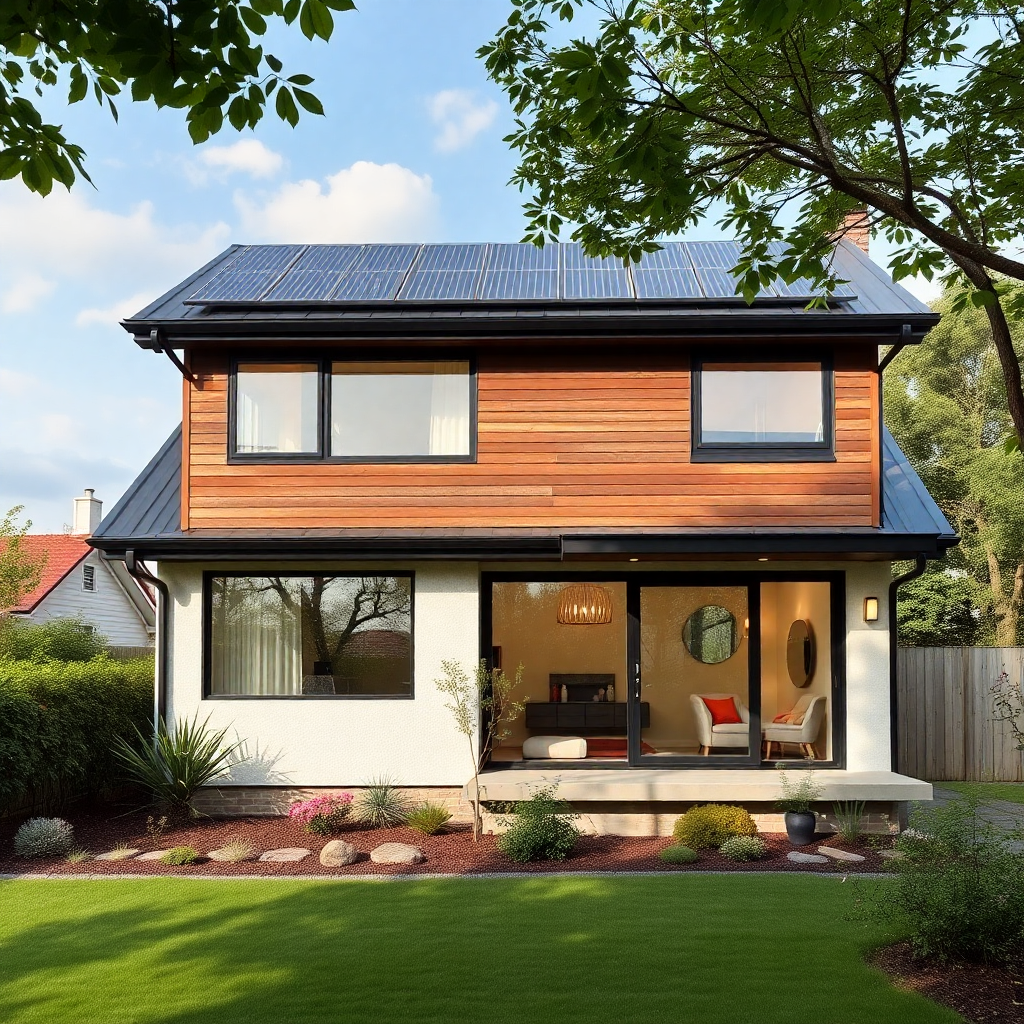

External Wall Insulation
External wall insulation involves fixing insulation boards to the outside of your property and finishing them with a protective render or cladding. This system dramatically reduces heat loss through walls and is ideal for homes without cavity walls.
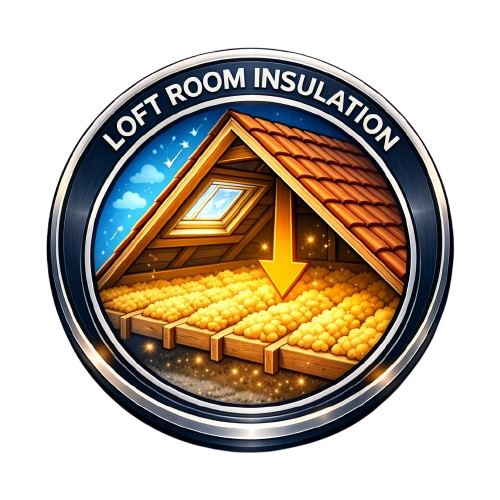
Solid Wall Insulation
Many older properties require solid wall insulation because there is no cavity to fill. Applying insulation externally keeps walls warm and dry, reduces condensation risk, and improves thermal efficiency without reducing internal space.
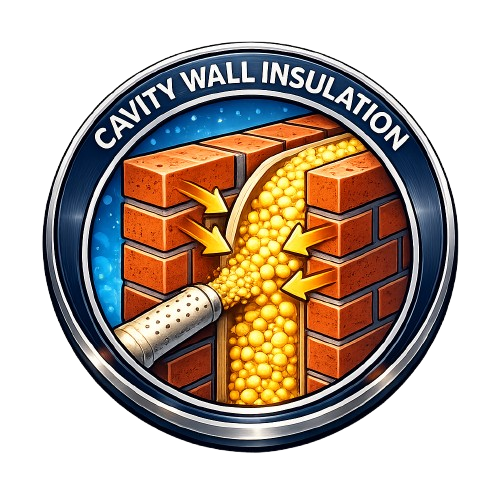
External Home Insulation
Victorian, Edwardian, and pre-1920 homes often benefit most from external home insulation. It preserves internal character while modernising energy performance and comfort levels.
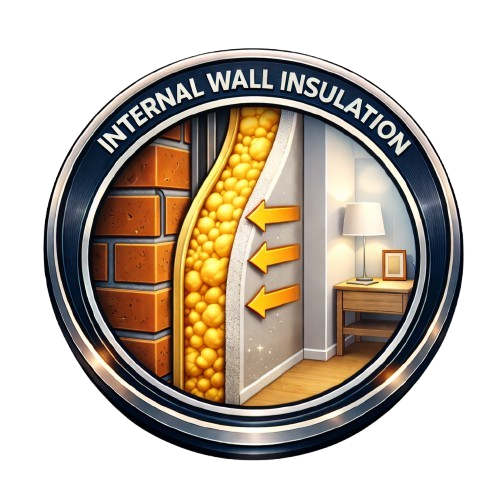
External Insulation Cladding
External insulation cladding combines thermal performance with a refreshed exterior look. Choose from modern renders, textured finishes, or cladding styles that suit your property and local planning requirements.

Outdoor & Outside Wall Insulation
Outdoor wall insulation and outside wall insulation systems protect your home from weather exposure while locking warmth inside. These systems are designed for durability, moisture resistance, and long-term performance.
Garage Door Insulation
Reduce heat loss through your garage by insulating doors, helping maintain indoor temperatures and improve overall home energy efficiency.
Home Loft Insulation Grants – You May Be Eligible
Many UK households qualify for home loft insulation grants, making loft insulation affordable—or even free—through government-backed energy efficiency schemes.
- Understand your eligibility
- Use your EPC to support grant applications
- Identify cost-effective insulation upgrades
- Plan improvements that meet scheme requirements
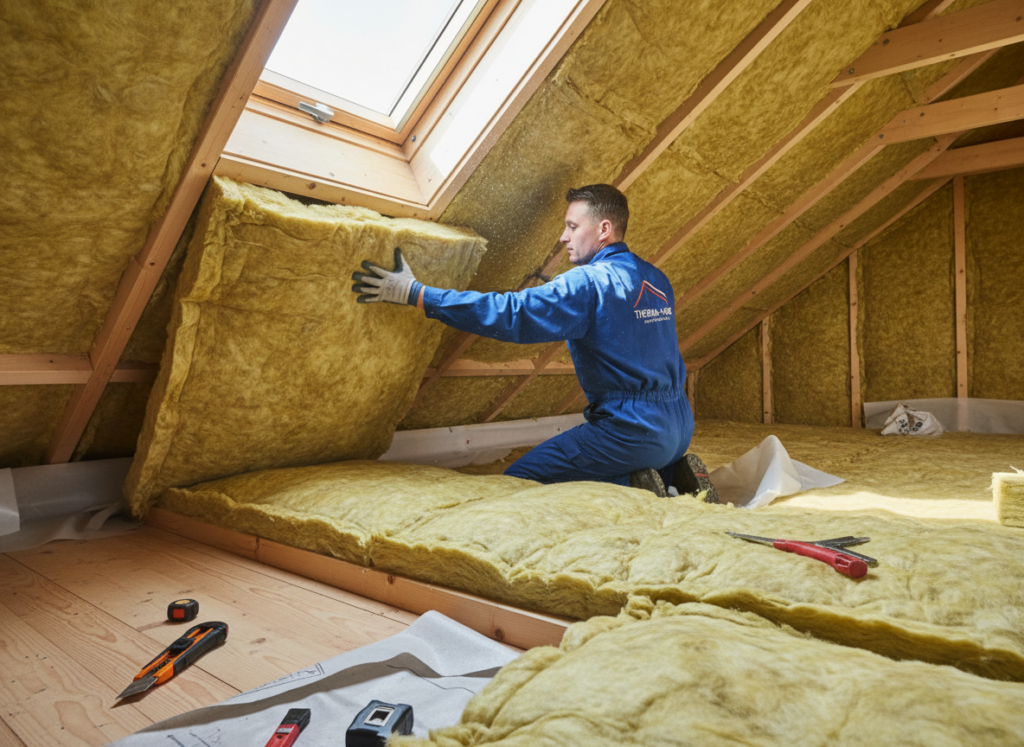
Our Process for Insulating External Walls
Property Assessment
1
We inspect wall type, condition, exposure, and heat-loss areas to determine the best external insulation solution.
System Recommendation
2
Based on your home, we recommend the most suitable exterior wall insulation system, insulation thickness, and finish.
Planning & Cost Guidance
3
We explain costs clearly, discuss finish options, and guide you through any local requirements.
Professional Installation
4
Why Choose Topplots for External Insulation
- Expertise in external building insulation systems
- Tailored solutions for solid and non-cavity walls
- High-performance materials and finishes
- Local specialists, not a call centre
- Experience with modern and period properties
- Comfort, durability, and compliance focused
- One team from assessment to completion
- Clean, professional installation process

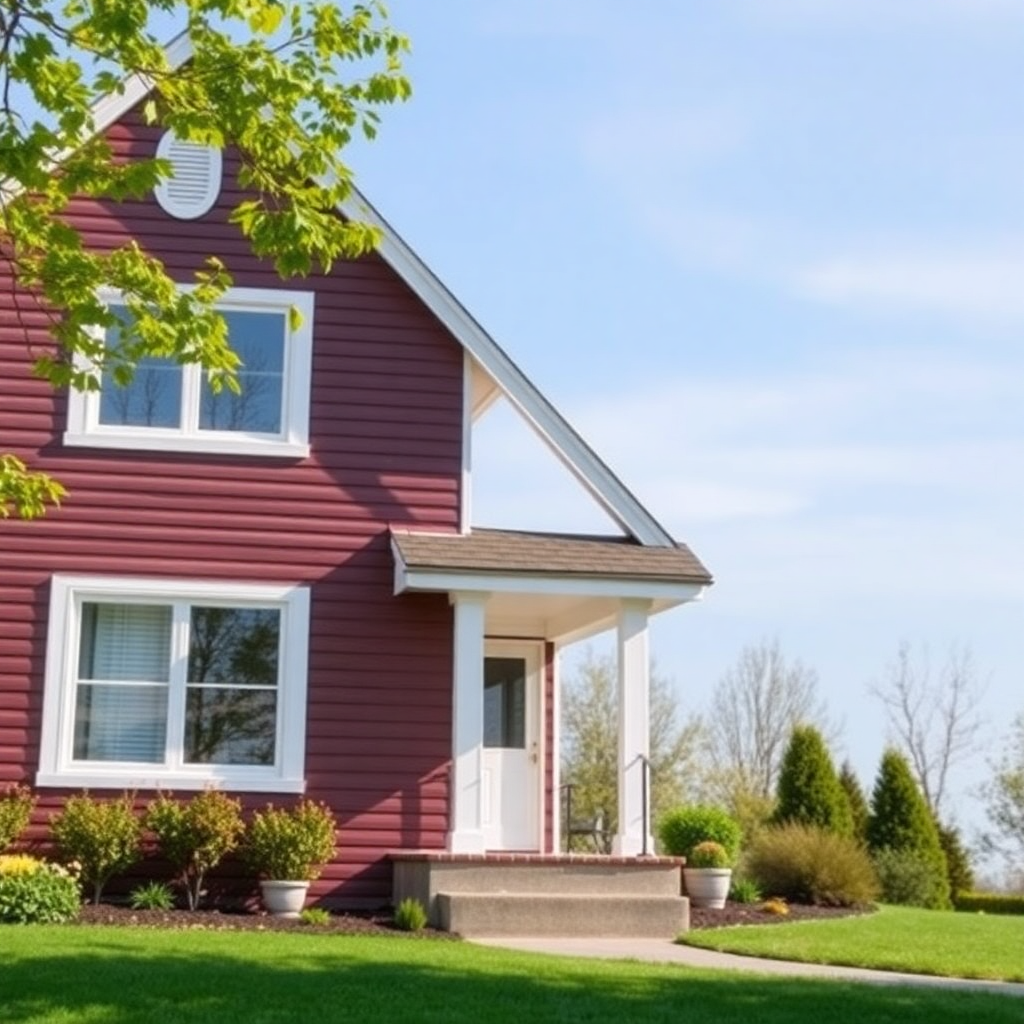
Ready to Upgrade Your External Walls?
Take the first step toward a warmer, more efficient home today.
Get clear advice, local expertise, and the best external wall insulation solutions—without pressure.
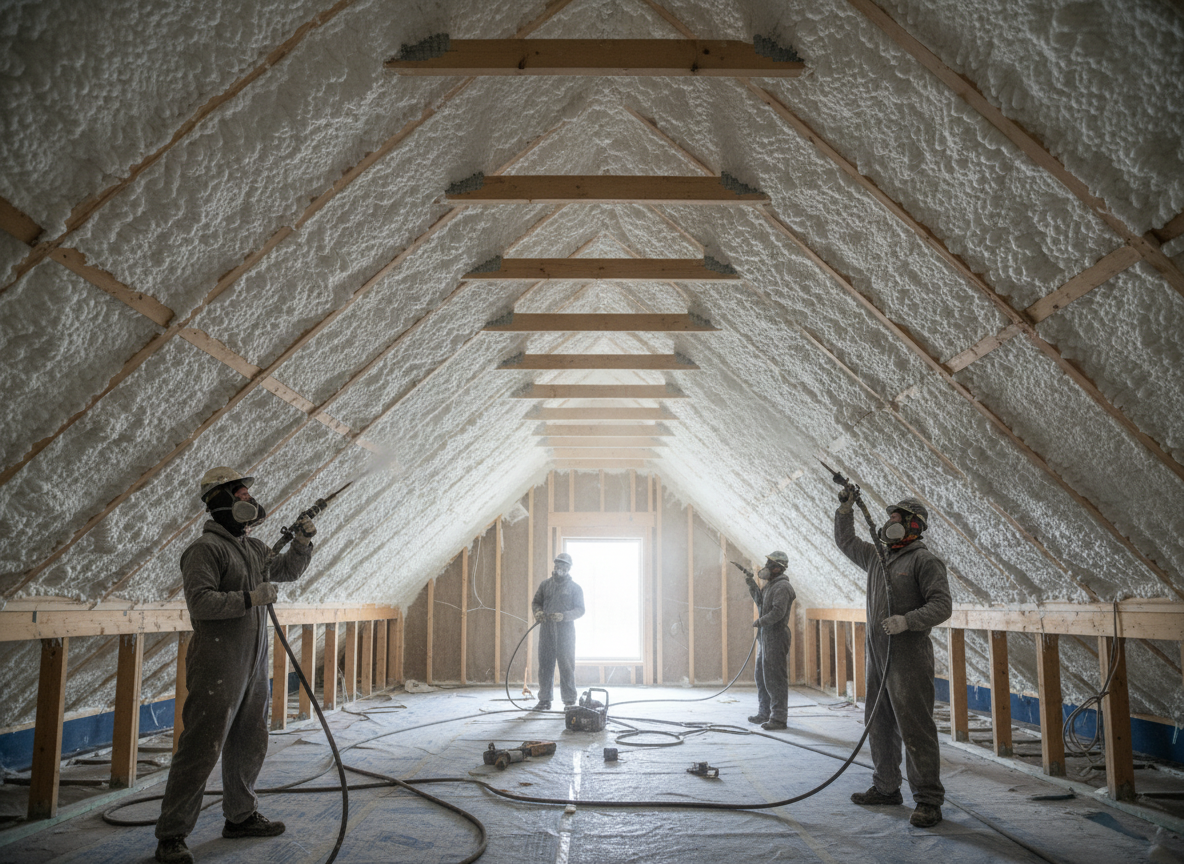
External Building Insulation That Improves Energy Performance
Installing external building insulation is one of the most effective ways to reduce heat loss in solid-wall properties. By insulating the entire exterior, your home retains warmth longer, reduces heating demand, and improves overall energy efficiency—making it a smart upgrade for homeowners and landlords alike.
Exterior House Insulation for Everyday Comfort
Warmer homes loft insulation is about more than savings—it’s about how your home feels daily. Proper loft insulation helps maintain stable indoor temperatures, keeping rooms warmer in winter and cooler in summer, while reducing uneven heating and cold spots throughout the property.
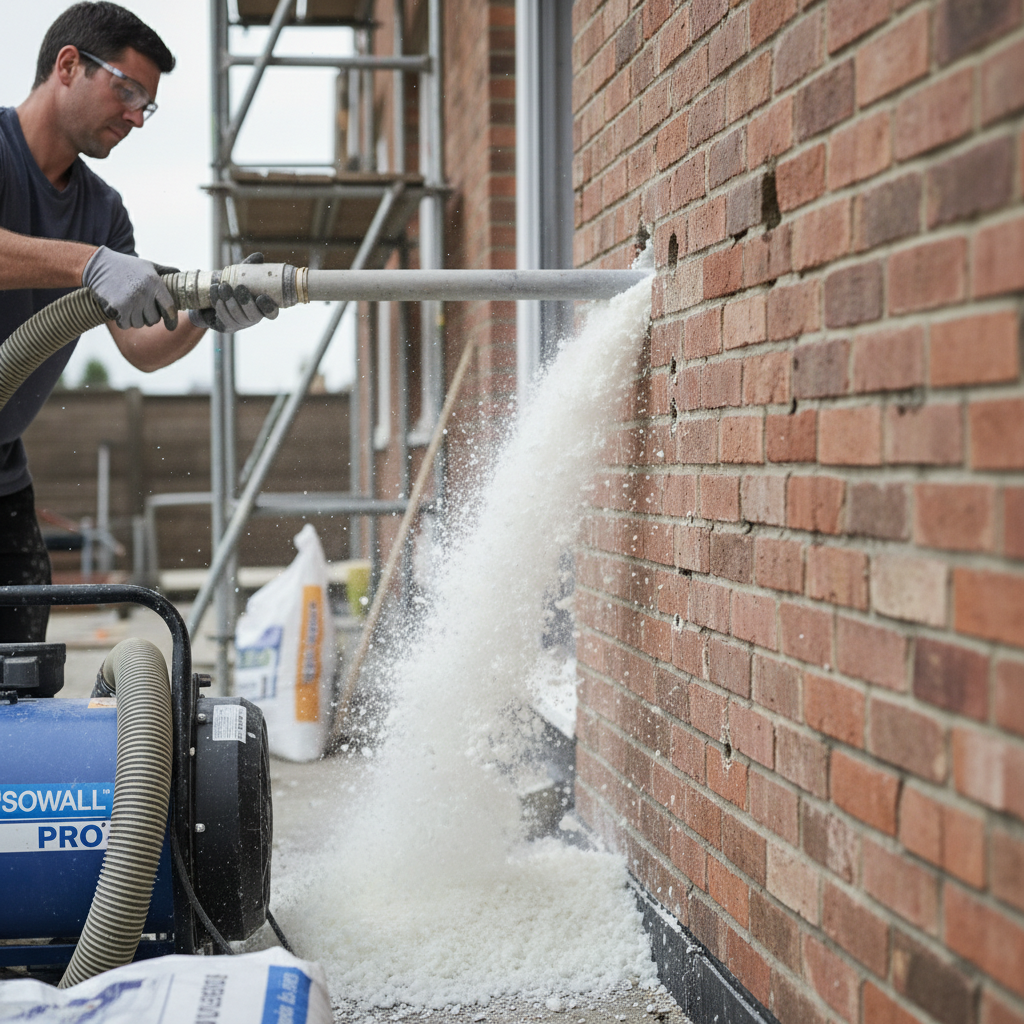
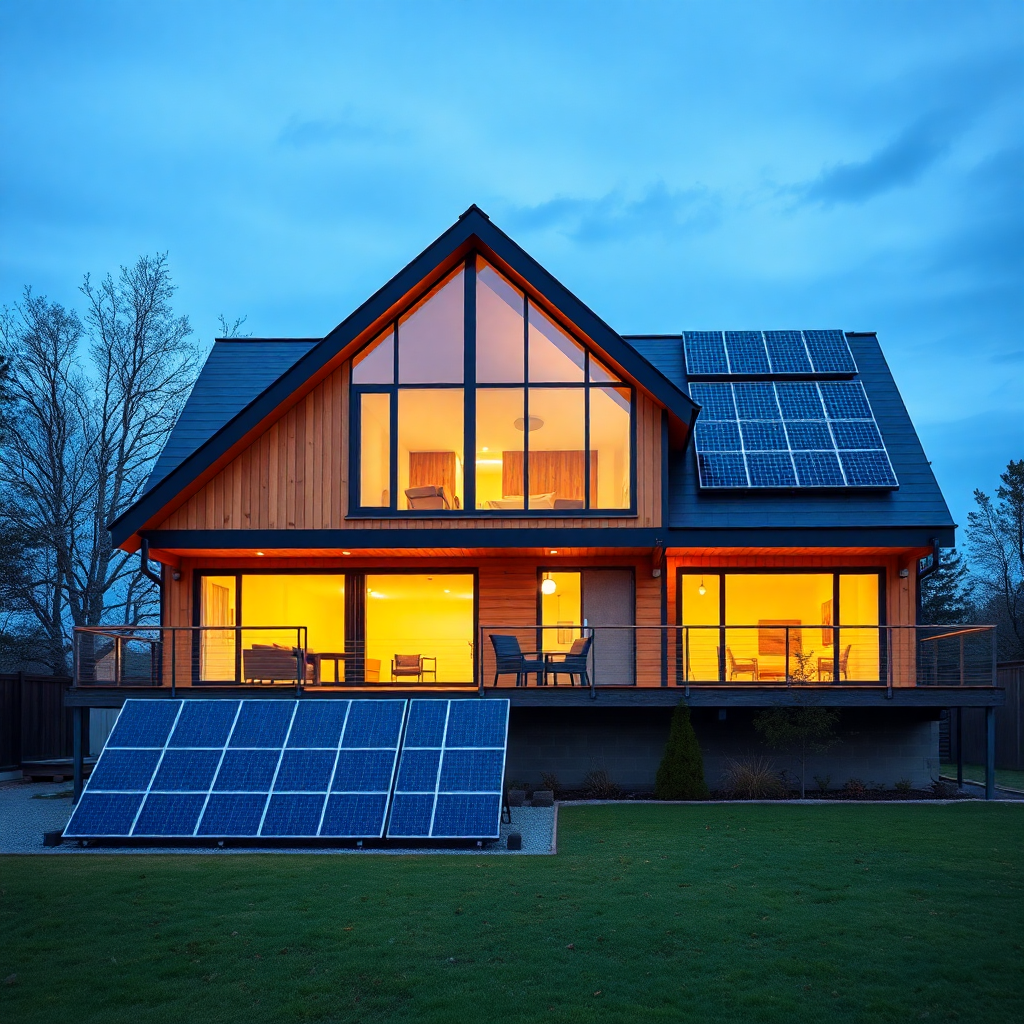
Choosing the Best External Wall Insulation System
Choosing the best external wall insulation isn’t about one-size-fits-all solutions. Your property’s wall construction, exposure, appearance goals, and energy needs all matter. With the right assessment, you get an external insulation system that improves comfort, boosts efficiency, and delivers long-term protection—without unnecessary disruption.
Signs You Need Insulating Your Home
Knowing when you need external wall insulation is one of the most important steps you can take toward improving your home’s comfort, energy efficiency, and long-term value. Many UK homeowners live with cold rooms, rising energy bills, and ongoing damp problems without realising that their external walls are the main cause. In properties with solid or uninsulated walls, heat escapes constantly through the building fabric. In these situations, external house insulation provides a continuous protective layer around the home, reducing heat loss at its source rather than masking symptoms with higher heating use.
What Is External Wall Insulation and Why Is It So Effective?
External insulation, also known as exterior wall insulation or outside wall insulation, is a method of fixing high-performance insulation boards directly to the outside walls of a property. These boards are then sealed with reinforced render or external insulation cladding, creating a durable thermal envelope around the building. This system works by slowing heat transfer through walls, keeping warmth inside during winter and reducing heat gain during summer.
Unlike internal solutions, external wall insulation protects the structure itself from temperature extremes and weather exposure. This makes it one of the most reliable forms of external building insulation, particularly for older properties where cavity wall insulation is not possible.
You Have Solid Walls With No Cavity
One of the most common reasons homeowners require external wall insulation is the presence of solid walls. Properties built before the 1920s were typically constructed without cavity walls, meaning there is no internal gap to fill with insulation. In these cases, solid wall insulation must be applied either internally or externally.
External solutions are often preferred because they do not reduce internal room sizes, preserve original interior features, and keep the wall structure warm and dry. This significantly lowers the risk of condensation and long-term damp damage while delivering far better thermal performance.
Internal Wall Insulation Is Not Practical for Your Home
While some homeowners consider internal solutions, internal external wall insulation comparisons often reveal that internal insulation is not suitable for many properties. Internal systems reduce living space, require extensive redecoration, and can interrupt daily life for extended periods.
External home insulation avoids these issues entirely. All work is carried out from outside the property, allowing occupants to remain inside comfortably while improvements are completed. This makes external insulation particularly attractive for families, landlords, and homeowners seeking minimal disruption.
Your Walls Feel Cold, Damp, or Uncomfortable
Cold-to-the-touch walls are one of the clearest signs that heat is escaping through the building envelope. When warm indoor air meets cold external walls, moisture condenses on the surface, often leading to damp patches or mould growth.
Outdoor wall insulation keeps the wall structure warm, which dramatically reduces condensation risk. By stabilising wall temperatures, it improves indoor air quality, protects finishes, and creates a healthier living environment. This is why experienced external wall insulators frequently recommend external systems for properties with recurring damp issues.
Heating Bills Keep Rising Despite a Working System
If your heating system is operating efficiently but your energy bills continue to rise, the issue is often heat loss rather than heat production. In solid-wall homes, up to 45% of heat loss can occur through external walls alone.
Exterior house insulation addresses this by forming a thermal barrier that reduces energy demand. Homes stay warm for longer periods, heating cycles become shorter, and overall energy consumption drops significantly—resulting in measurable long-term savings.
You Are Planning Exterior Renovation or Re-Rendering
External wall insulation is especially effective when combined with planned exterior renovation. If your home already requires rendering repairs, façade upgrades, or weatherproofing, adding insulation at the same time reduces overall project costs and avoids future disruption.
Many homeowners choose external insulation cladding systems during renovation projects to modernise the appearance of their home while improving energy efficiency in one seamless upgrade.
You Want the Best External Wall Insulation for Long-Term Performance
The best external wall insulation solution depends on multiple factors, including wall construction, exposure to weather, fire performance requirements, and desired finish. Common systems include mineral wool for fire resistance and sound control, EPS systems for cost efficiency, and high-performance phenolic boards where thinner profiles are required.
Professional assessment ensures the correct materials, thickness, and finishes are selected to deliver durability, weather resistance, and long-term comfort without unnecessary expense.
External vs Internal Wall Insulation: Why External Often Wins
When comparing internal and external options, external building insulation usually offers superior performance. External systems provide uninterrupted thermal coverage, eliminate thermal bridging, and protect the building structure itself from temperature fluctuations.
Internal systems may still be suitable in some circumstances, but for solid-wall properties or homes with damp concerns, external insulation remains the most robust and future-proof solution.
When External Wall Insulation Increases Property Value
Homes upgraded with external wall insulation often benefit from improved EPC ratings, reduced running costs, and a refreshed exterior appearance. Buyers and tenants increasingly prioritise energy-efficient homes, making external insulation a valuable selling point.
For landlords, exterior insulation supports compliance with energy efficiency regulations while reducing tenant complaints about cold or damp conditions.
Final Thoughts on When You Need External Wall Insulation
You should seriously consider external wall insulation if your home has solid walls, suffers from heat loss, experiences damp or condensation issues, or is due for exterior refurbishment. Rather than treating symptoms with higher heating costs, external insulation solves the root cause by improving the building fabric itself.
With the right materials and experienced external wall insulators, this upgrade delivers long-lasting warmth, improved comfort, lower energy bills, and enhanced property value for decades to come.
Frequently Asked Questions & Answers
What is external wall insulation and why is it needed?
External wall insulation is a system where insulation boards are fixed to the outside of a property and finished with render or external insulation cladding. It is needed when homes lose heat through solid or uninsulated walls. Unlike internal solutions, external house insulation wraps the entire building, reducing heat loss, improving comfort, and protecting walls from weather damage. It is especially effective for older homes with solid walls.
How do I know if my home needs external house insulation?
Your home may need external house insulation if walls feel cold, heating bills are high, or rooms take a long time to warm up. Properties with solid walls or no cavity often benefit most. If damp or condensation appears on external walls, outside wall insulation can help by keeping walls warm and dry. A professional assessment confirms suitability.
Is external insulation better than internal wall insulation?
In many cases, yes. External insulation provides continuous coverage without reducing internal room size. While internal external wall insulation options exist, external systems are less disruptive and better at preventing cold bridges. They also protect the building structure and improve the exterior appearance, making them a preferred choice for solid wall properties.
What is solid wall insulation and how does it work?
Solid wall insulation is used for homes built without cavity walls, usually before the 1920s. Since there is no cavity to fill, insulation is added externally or internally. Exterior wall insulation is often recommended because it keeps walls warm, reduces condensation, and improves thermal performance without affecting interior space.
Does external wall insulation help with damp problems?
Yes. Outdoor wall insulation helps reduce damp by keeping wall surfaces warm. When walls stay warm, condensation is less likely to form. This makes external building insulation a common recommendation from experienced external wall insulators for homes with recurring damp or mould issues linked to cold external walls.
What finishes are available with external insulation cladding?
External insulation cladding can be finished in modern render, textured coatings, or decorative cladding styles. These finishes protect insulation from weather and enhance the look of the property. With exterior house insulation, homeowners often improve both energy efficiency and kerb appeal at the same time.
What is the best external wall insulation for my home?
The best external wall insulation depends on your property type, exposure, and goals. Mineral wool systems offer fire resistance and sound insulation, while EPS systems provide cost-effective thermal performance. Professional external wall insulators assess your walls to recommend the most suitable system for long-term results.
How long does external wall insulation installation take?
Most external wall insulation projects take between one and two weeks, depending on property size and finish. The work is carried out externally, so disruption inside the home is minimal. A clear schedule is usually provided before installation begins.
Will external building insulation reduce my energy bills?
Yes. External building insulation significantly reduces heat loss through walls, helping homes retain warmth for longer. This means heating systems run less often, leading to lower energy bills. Many homeowners notice improved comfort and savings shortly after installation.
Does external wall insulation increase property value?
Yes. Homes with external wall insulation often have better EPC ratings, lower running costs, and a modern exterior finish. Buyers and tenants increasingly value energy-efficient properties, making external home insulation a smart long-term investment.