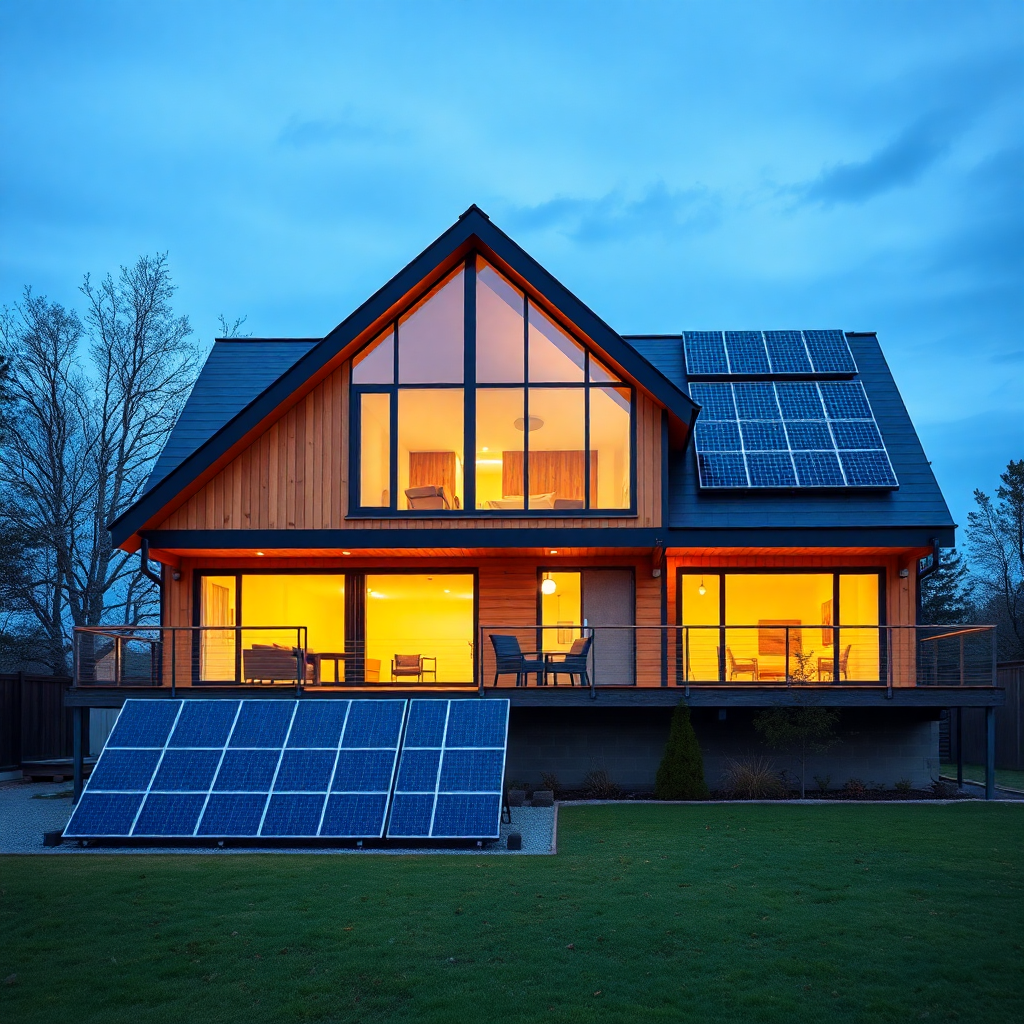
Internal Wall Insulation for a Warmer, More Efficient Home

If your home feels cold, suffers from heat loss, internal wall insulation could be the right solution.


Urgent Insulation Needed?

Same day appointments available

Local Internal Wall Insulation Experts

Beds, Herts, Bucks & North London

Quick Turnaround

Notice the difference fast

Topplots helps homeowners across the UK with insulating internal walls UK by providing clear assessments, expert recommendations, and professional installation. Our focus is on comfort, efficiency, and compliance—delivered through a simple, local, and hassle-free process.

Installation Completed
0 +
Happy Clients
0 +
Team Size
0 +

EPC Luton. Domestic & Commercial Energy Performance Certificates (EPC), without the fuss.

Our Internal Wall Insulation Services

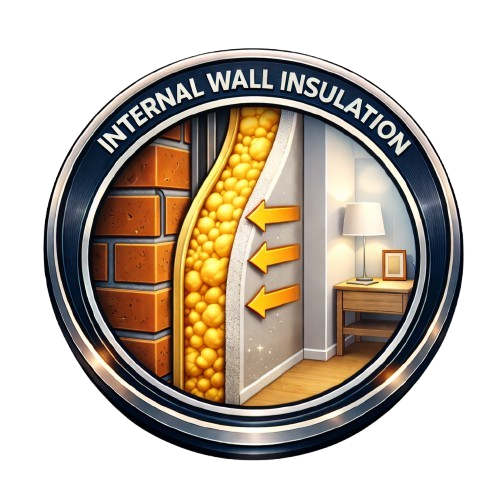
Internal Wall Insulation

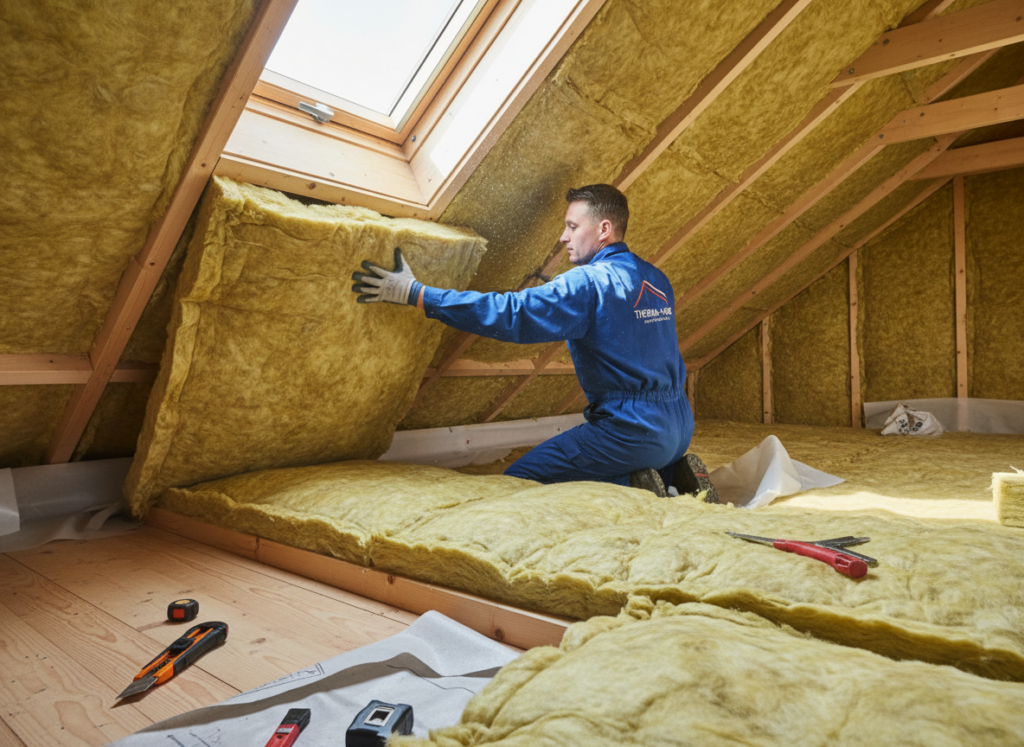
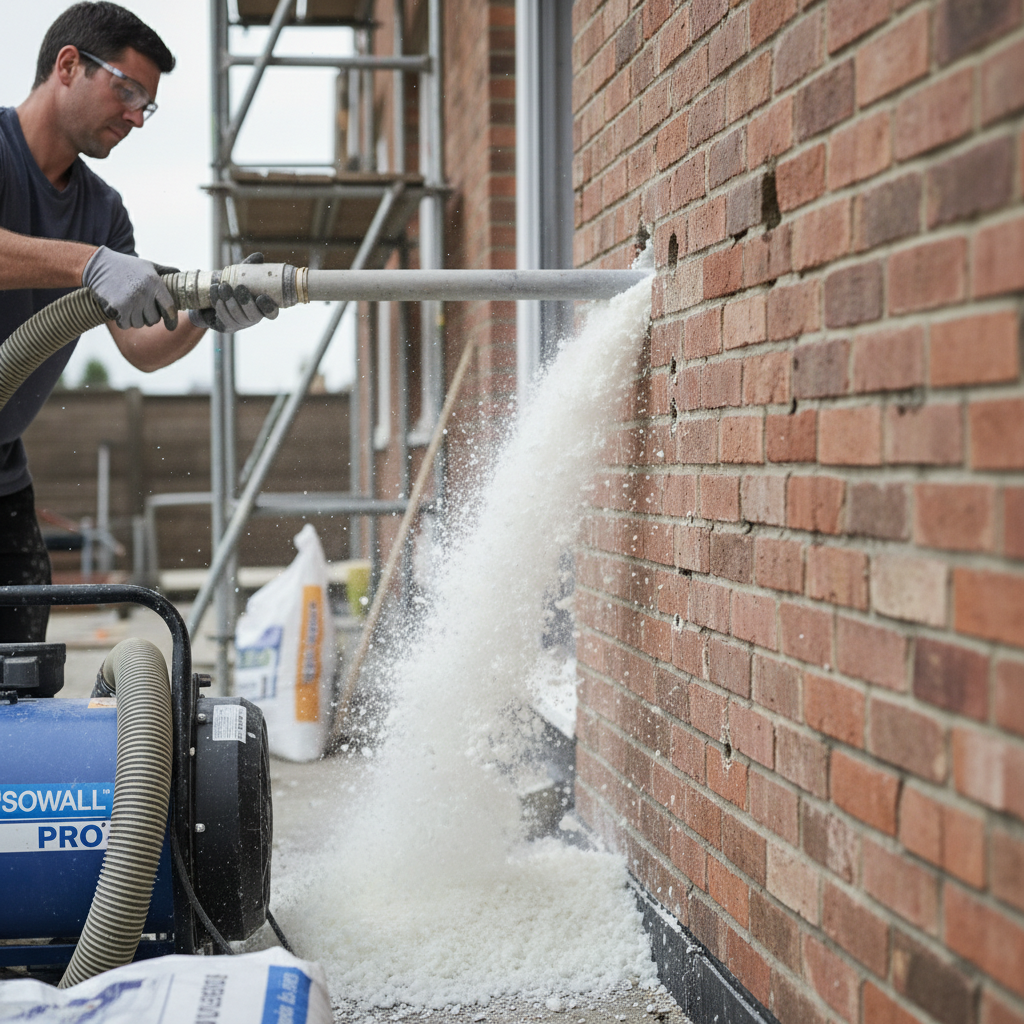
Internal wall insulation UK solutions involve fixing insulation systems to the inside face of external walls. This helps reduce heat loss, improve EPC ratings, and create warmer, more comfortable living spaces—without changing the appearance of your home’s exterior.

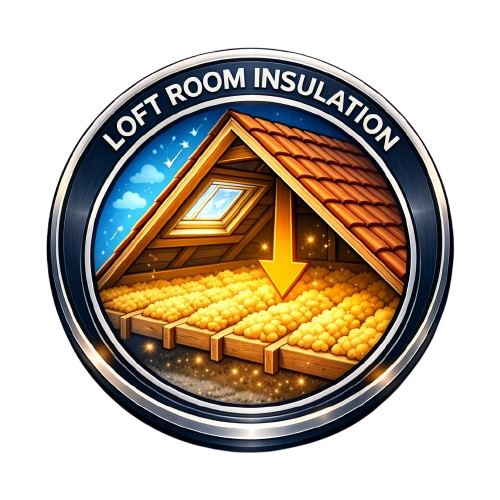
Loft Room Insulation

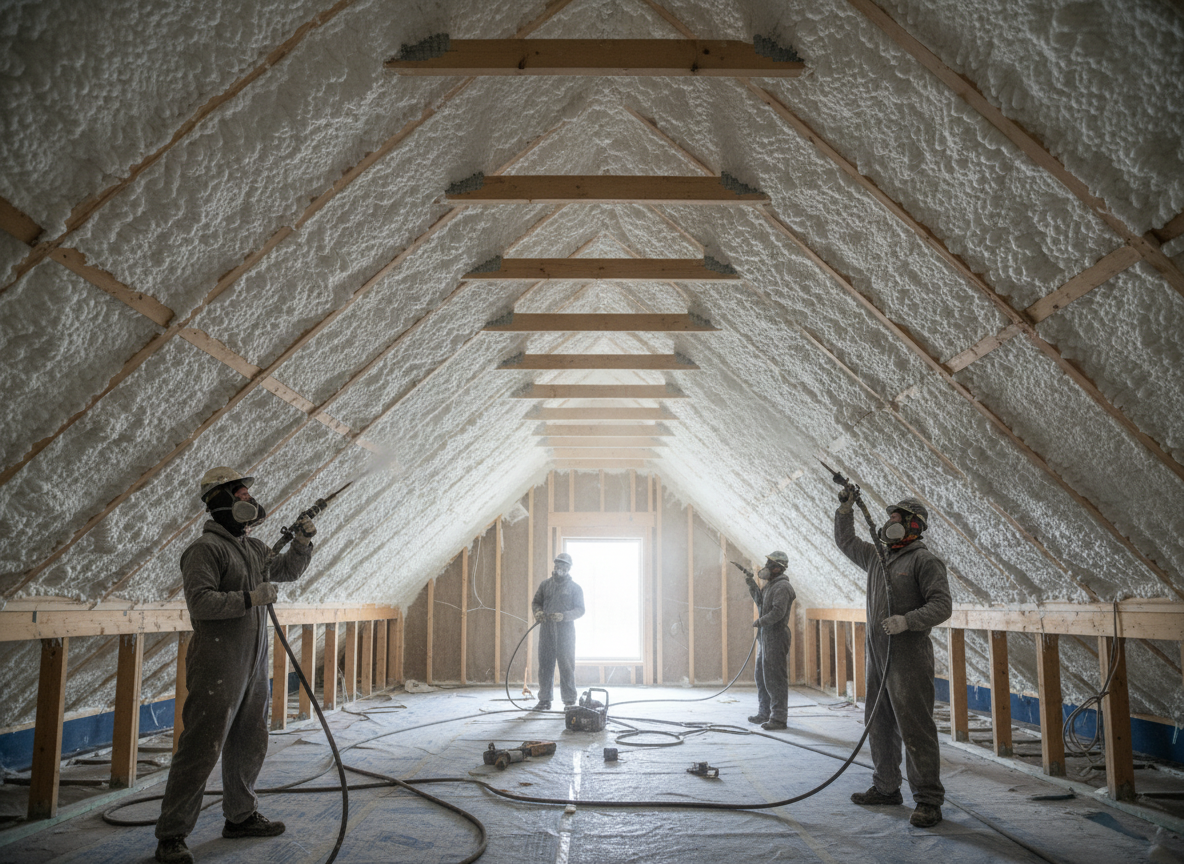
Keep converted loft rooms comfortable year-round with effective insulation that prevents overheating in summer and heat loss in winter.

Indoor Wall Insulation for Solid Walls

Many older homes require breathable internal insulation for solid walls. These systems allow moisture to pass through safely while improving thermal performance. This makes breathable internal wall insulation ideal for Victorian, Edwardian, and period properties.

Internal Stud Wall Insulation

Internal stud wall insulation is used for partition walls and timber-framed interiors. It improves thermal efficiency between rooms and significantly reduces sound transfer, creating quieter and more comfortable living spaces.

Internal Wall Insulation Boards

Modern internal wall insulation boards combine insulation and plasterboard into a single system. They are quick to install, provide consistent performance, and are commonly used in living areas where space loss must be minimised.

Garage Door Insulation

Reduce heat loss through your garage by insulating doors, helping maintain indoor temperatures and improve overall home energy efficiency.

Internal Wall Insulation Grants – You May Be Eligible

Some homeowners may qualify for internal wall insulation grants through energy efficiency schemes, depending on EPC ratings, property type, and household circumstances.

Loft Insulation Installation

Our Process for Insulating Internal Walls

Home Assessment
1

We assess wall construction, room layout, ventilation, and heat-loss areas to determine the best internal insulation approach.


Smart Recommendations
2

Based on your property, we recommend suitable internal insulation boards, breathable systems, or stud wall insulation.


Grant & Cost Guidance
3

We clearly explain pricing and available internal wall insulation grants, helping you understand savings and eligibility.


Professional Installation
4

Experienced installers complete the work efficiently, leaving you with warmer rooms and improved energy performance.

Why Choose Topplots for Internal Insulation

warm

Ready to Upgrade Your Internal Walls?

Take the first step toward a warmer, more efficient home today.
Get clear advice, local expertise, and the best internal wall insulation solutions—without pressure.

Best Internal Wall Insulation for Solid Wall Homes

Choosing the best internal wall insulation depends on your property’s construction, moisture levels, and energy goals. For older homes, breathable internal insulation for solid walls helps regulate moisture while reducing heat loss. For modern properties, insulated plasterboard systems offer fast installation and reliable performance.


Breathable Internal Wall Insulation for Healthier Homes

Breathable internal wall insulation is designed to allow moisture vapour to pass through walls safely. This helps prevent condensation and mould, making it ideal for solid wall properties where moisture control is essential. These systems improve comfort without trapping damp inside the structure.


Internal vs External Insulation – When Internal Is the Right Choice

While external insulation works well for many homes, internal insulation is often preferred when:

  • External changes are restricted by planning rules

  • Property appearance must be preserved

  • Budget constraints limit full external systems

      • Targeted room-by-room upgrades are required

In these cases, indoor wall insulation provides an effective and flexible solution.

How to Know When You Need Internal Wall Insulation

Many UK homeowners live with cold rooms, rising energy bills, and uncomfortable living spaces without realising the true cause. In most cases, the problem is not the heating system—it is heat loss through the walls. Understanding when you need internal wall insulation allows you to act early, improve indoor comfort, reduce energy waste, and lower long-term heating costs. For homes where external insulation is not possible, internal insulation is often the most effective and practical solution.

Your Home Feels Cold Even When the Heating Is On

One of the clearest signs you need internal wall insulation UK is when rooms feel cold despite the heating running. If radiators are warm but walls remain cold to the touch, heat is escaping through uninsulated internal wall surfaces. Indoor wall insulation creates a thermal barrier inside the property, helping rooms warm up faster and stay warm for longer without constantly increasing the thermostat.

Energy Bills Keep Increasing Without Any Change in Usage

Rising energy costs are often blamed on tariffs, but poor wall insulation is a major contributor. When walls are uninsulated, heat escapes continuously, forcing heating systems to work harder. Installing internal insulation boards reduces heat loss and energy demand. Many homeowners also qualify for internal wall insulation grants, making upgrades more affordable and cost-effective.

You Live in a Solid Wall or Older Property

Homes built before the 1920s typically have solid walls with no cavity. These properties cannot use cavity wall insulation, making insulating internal walls UK a common solution. For these homes, breathable internal insulation for solid walls is often recommended to improve warmth while allowing moisture vapour to escape safely.

External Wall Insulation Is Not an Option

Planning restrictions, conservation areas, flats, and shared buildings often prevent external insulation. In these situations, internal wall insulation near me searches increase because internal solutions allow efficiency improvements without changing the exterior. Internal wall insulation boards offer a discreet and effective way to upgrade thermal performance.

Condensation or Mould Appears on Internal Walls

Condensation forming on walls is a strong indicator of poor insulation. Warm indoor air meeting cold wall surfaces leads to moisture build-up. Breathable internal wall insulation helps regulate temperature and moisture, reducing condensation and mould risks—especially important for solid wall homes.

Rooms Take Too Long to Heat and Cool Down Quickly

If rooms take a long time to warm up or lose heat quickly once heating turns off, internal insulation is likely underperforming or missing entirely. The best internal wall insulation systems help stabilise indoor temperatures, reducing reliance on continuous heating.

You Want to Improve Comfort Room by Room

Not every home requires full property insulation at once. Internal insulation allows targeted upgrades in bedrooms, living rooms, or home offices. Using internal wall insulation boards provides flexibility, making it easier to prioritise the coldest or most used rooms first.

You Have Noisy or Cold Internal Partition Walls

Heat and sound transfer through internal partitions is often overlooked. Internal stud wall insulation improves thermal efficiency between rooms and significantly reduces noise transfer. This is especially beneficial in multi-storey homes, shared houses, and family properties.

Your EPC Rating Is Low

A low EPC rating indicates inefficient heat retention. EPC assessors frequently recommend internal wall insulation UK for solid wall homes and flats. Upgrading walls using internal insulation can deliver one of the fastest improvements in EPC performance.

You Are Renovating or Re-Plastering Indoors

Renovation is the ideal time to install internal wall insulation. If you are replastering, redecorating, or altering layouts, adding internal insulation boards at the same time minimises disruption and installation costs.

You Want the Best Internal Wall Insulation for Long-Term Performance

Choosing the best internal wall insulation depends on wall type, moisture levels, and room usage. Modern systems combine insulation and plasterboard, while breathable internal wall insulation is designed for older buildings where moisture management is essential.

You May Be Eligible for Internal Wall Insulation Grants

Many homeowners delay improvements due to cost, unaware that internal wall insulation grants may be available. Eligibility depends on EPC rating, household circumstances, and property type. Checking grant options early can significantly reduce upfront costs.

Your Walls Feel Cold Behind Furniture

Cold areas behind sofas, wardrobes, and beds often indicate poorly insulated walls. This trapped cold air affects room comfort and can lead to damp patches. Indoor wall insulation improves wall surface temperature across the entire room.

You Rely on Portable Heaters or Extra Heating

Using portable heaters or constantly adjusting thermostats is a sign of heat loss. These temporary solutions increase costs without solving the problem. Internal insulation delivers lasting comfort without additional heating devices.

Your Home Overheats in Summer

Poor insulation affects summer comfort too. Without proper internal insulation, heat penetrates walls easily. Insulating internal walls UK helps regulate indoor temperatures year-round, keeping homes cooler in summer and warmer in winter.

You Want Lower Bills and Long-Term Comfort

Internal wall insulation is a long-term investment. The right solution improves comfort, reduces energy bills, supports EPC compliance, and protects your home for years—making it one of the most effective upgrades available for UK homeowners.

Read More

Frequently Asked Questions & Answers

What is internal wall insulation and how does it work?

Internal wall insulation involves adding an insulating layer to the inside surface of external or internal walls. This is usually done using internal wall insulation boards or framed systems filled with insulation and finished with plasterboard. The insulation reduces heat loss through walls, helping rooms warm up faster and stay warm longer. Internal insulation is especially useful for solid wall homes or properties where external insulation is not allowed.

How do I know if I need internal wall insulation?

If insulation looks thin, patchy, compressed, or hasn’t been upgraded in decades, it’s likely underperforming. Older insulation materials often don’t meet current efficiency standards for modern UK homes.

Is internal wall insulation suitable for solid wall homes?

Yes. Breathable internal insulation for solid walls is specifically designed for older properties built without cavity walls. These systems allow moisture vapour to pass through safely while improving thermal performance. This makes breathable internal wall insulation ideal for Victorian, Edwardian, and other period homes where moisture control is just as important as warmth.

What are internal wall insulation boards?

Internal wall insulation boards are composite panels that combine insulation material with plasterboard. They are fixed directly to walls, providing a neat finish that is ready for decoration. These boards are widely used in insulating internal walls UK projects because they are quick to install, space-efficient, and offer consistent thermal performance across the wall surface.

Can internal wall insulation help reduce condensation and mould?

Yes. Cold walls are a major cause of condensation. By installing breathable internal wall insulation, wall surface temperatures increase, reducing the chance of moisture forming. This helps prevent mould growth and damp patches. For solid wall homes, using breathable systems is especially important to avoid trapping moisture inside the structure.

What is internal stud wall insulation used for?

Internal stud wall insulation is used to insulate partition walls inside a property. It improves thermal efficiency between rooms and significantly reduces noise transfer. This type of insulation is common in timber-framed homes, loft conversions, and modern properties where improving comfort and soundproofing between rooms is important.

Is internal wall insulation expensive, and are grants available?

Costs vary depending on wall type, materials, and room size. However, some homeowners may qualify for internal wall insulation grants, depending on EPC ratings, property type, and household circumstances. These grants can help reduce installation costs, making internal insulation more affordable. A professional assessment is the best way to check eligibility.

Does internal insulation reduce room size?

Yes, but only slightly. Most internal insulation boards add a small thickness to the wall, typically a few centimetres. Modern systems are designed to minimise space loss while maximising insulation performance. For most homeowners, the comfort and energy savings far outweigh the small reduction in room size.

Is internal wall insulation better than external insulation?

It depends on the property. Internal insulation is often the best choice when external insulation is restricted by planning rules, shared walls, or building appearance. While external systems insulate the whole building envelope, internal wall insulation near me searches are common for flats, conservation areas, and room-by-room upgrades where external work isn’t possible.

Will internal wall insulation lower my energy bills?

Yes. Properly installed internal wall insulation reduces heat loss through walls, meaning your heating system doesn’t need to run as often. This leads to lower energy consumption and reduced bills over time. Many homeowners notice improved comfort immediately, with long-term savings increasing year after year.